Picture this: you unlock your Chic’s Beach home on a Friday evening, the sunset glows over the bay, and your rental calendar is booked through Labor Day. If you want a reliable, well-run rental near the Chesapeake Bay, you need more than a listing and a few photos. You need a local playbook that balances permits, taxes, pricing, amenities, and seasonality. In this guide, you’ll learn how to choose the right rental model, comply with Virginia Beach rules, and optimize returns in this bay-side market. Let’s dive in.
Know the Chic’s Beach market
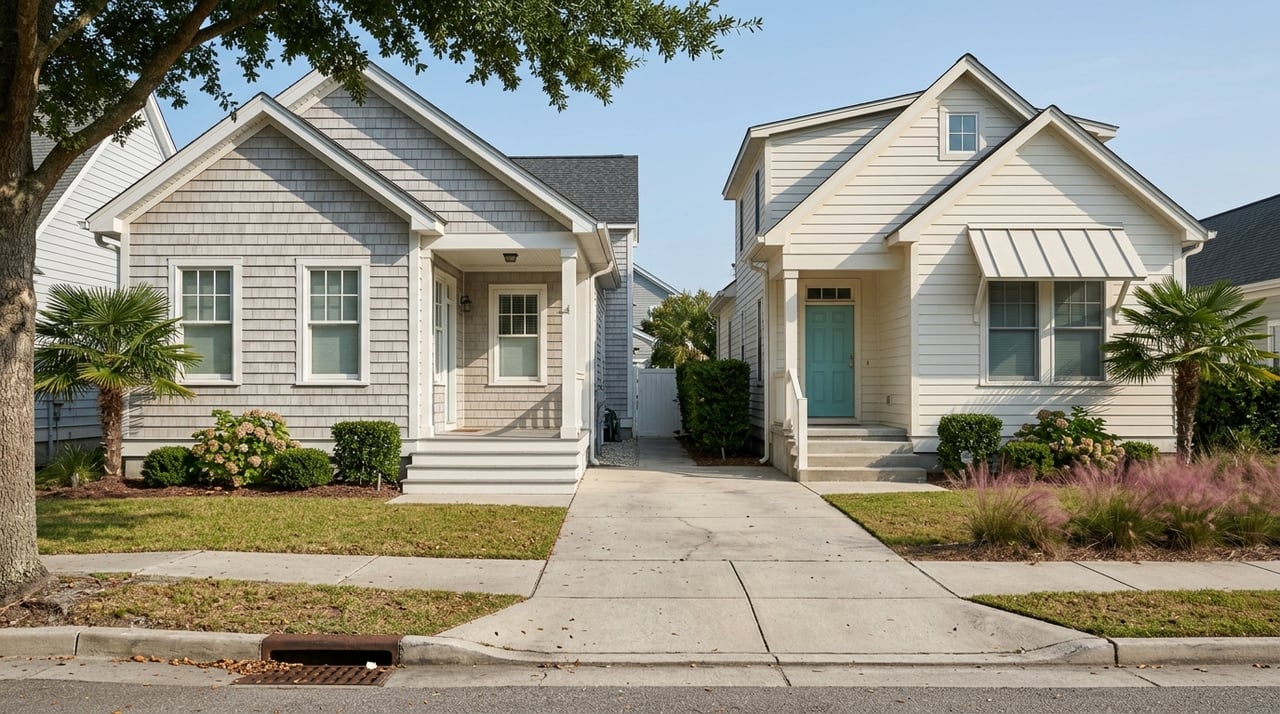
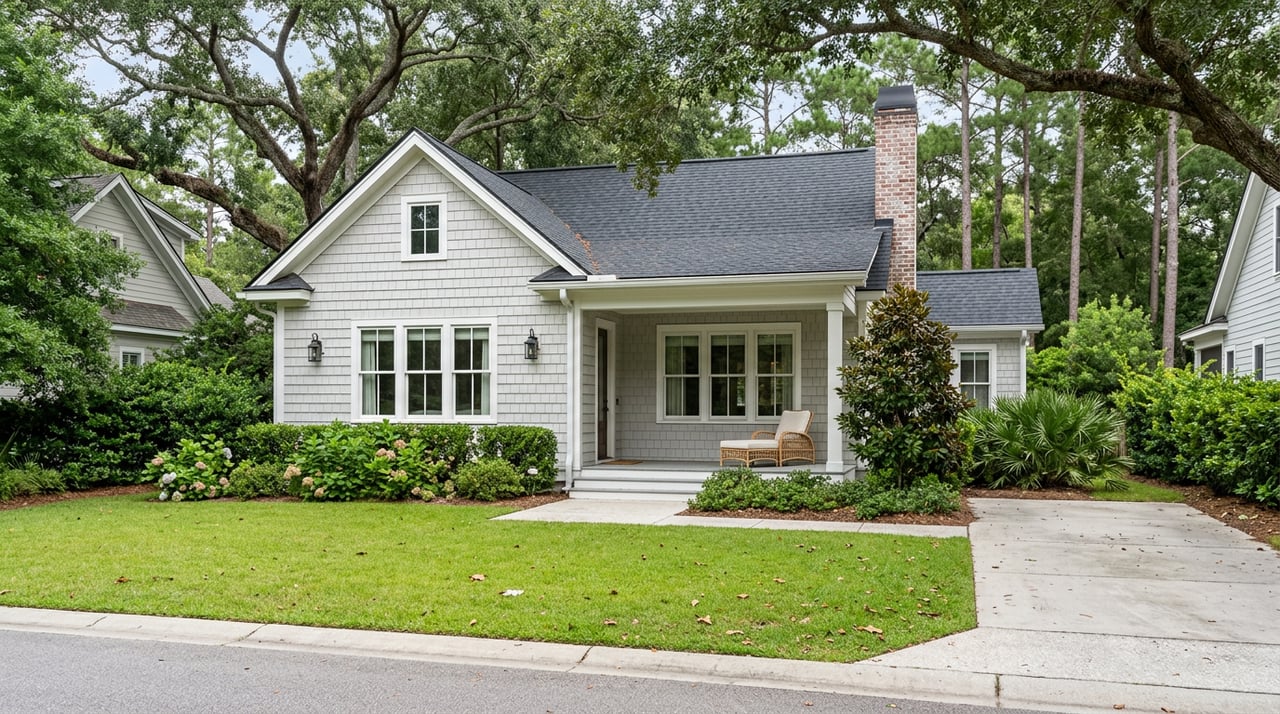
Chic’s Beach, also called Chesapeake Beach, sits along Shore Drive on the Chesapeake Bay. It offers calmer water, walkable dining, and a quieter vibe than the Oceanfront. The housing mix includes cottages, townhomes, and newer bay houses, and each street’s access and parking can affect demand and pricing.
Guests often include vacationers drawn to calm bay beaches and sunset views, boaters and anglers who value proximity to ramps and piers, and visitors connected to nearby military installations. Couples and small groups also look for laid-back coastal stays with restaurants and breweries nearby. This mix supports strong summer demand with useful shoulder-season opportunities.
Choose your rental model
Short-term vacation rental (STR)
You rent the whole home for stays under 30 days. Pros include peak summer rates and flexibility for owner use. Cons include higher operating costs, required permits, inspections, and city lodging and sales taxes collected on short stays. Model conservatively for occupancy outside peak months and include all taxes in guest pricing.
Longer-term lease (monthly)
You prioritize steady cash flow with reduced turnover and lighter management needs. Expect lower per-night income compared with peak summer STR rates. Longer leases follow the Virginia Residential Landlord and Tenant Act, so structure deposits, notices, and lease language accordingly under the Code of Virginia.
Hybrid or home-share
If you live on-site and rent individual rooms, you may follow a simpler “home share” path rather than a whole-home STR. Registration still applies, and occupancy rules matter. Always confirm your use type with the city before you advertise.
Seasonality and pricing signals
Peak demand runs late spring through summer, with the strongest average daily rates in June, July, and August. Local visitor data supports firm shoulder months in May and September. For planning, align pricing with weather and event calendars; the local DMO’s climate overview helps set expectations for seasonality across the year on Visit Virginia Beach.
Public platform snapshots show clear summer price peaks for comparable Chic’s Beach listings. For example, sample averages on Airbnb trend from lower winter pricing to mid-$200s and $300s in summer. Use the destination page to benchmark month-by-month averages and filter for similar bedroom counts and amenities on Airbnb’s Chic’s Beach page.
Run the numbers the right way
Start with conservative scenarios for average daily rate (ADR) and occupancy. Build three cases: low, mid, and peak. Calibrate your ADR by sampling similar listings for your specific bedroom count, waterfront proximity, and amenity set. Then layer in expenses and taxes.
For short stays outside the Sandbridge district, a practical tax model is: total gross rental multiplied by 15 percent (9 percent city lodging plus 6 percent state sales tax), plus 2 dollars per night. This framework comes from recent city guidance and is a strong starting point for your pro forma. Review the latest calculation reference in the city’s tax discussion document on transient occupancy taxes.
To stress-test pricing, sample a peak week in July and a shoulder week in May on comparable listings. If you see summer ADRs in the mid-$200s to $300s for your property type, price a bit under the closest superior comp and above the closest inferior comp. Keep weekday and weekend rates flexible, since summer weekends near the bay often command a premium.
Permits and rules you must follow
Virginia Beach draws a clear line between home shares and whole-home STRs. Before you list, verify your use type and permit path on the city’s Short-Term Rental page.
Key requirements include:
- Registration and permitting. STR operators must register annually with the Commissioner of the Revenue and secure a zoning permit when required. Find process details on the Commissioner of the Revenue STR page.
- Inspections and safety. Expect a life-safety inspection and periodic structural reviews for features like decks and stairs. Study the city’s permit instructions for specifics on documentation and timelines in the STR Zoning Permit Instructions.
- Parking and rapid response. Provide required off-street parking, typically one space per bedroom per assessor records. On-street parking usually does not count. You must also name a local responsible party to respond quickly to issues.
- Insurance. Provide proof of liability coverage, commonly a minimum of 1,000,000 dollars, and do not rely solely on platform-provided policies noted as unacceptable in city guidance. Details appear in the permit instructions.
Compliance protects your investment and keeps your calendar open. Noncompliance can lead to fines or permit issues, so secure approvals in writing before you market the property.
Amenities that win in Chic’s Beach
Amenities that materially move the needle in this bay-side market are straightforward and guest-driven. Prioritize function, coastal convenience, and family-friendly touches.
- Core must-haves: high-speed Wi-Fi, fully equipped kitchen, in-unit washer/dryer, air conditioning, and clearly marked private parking.
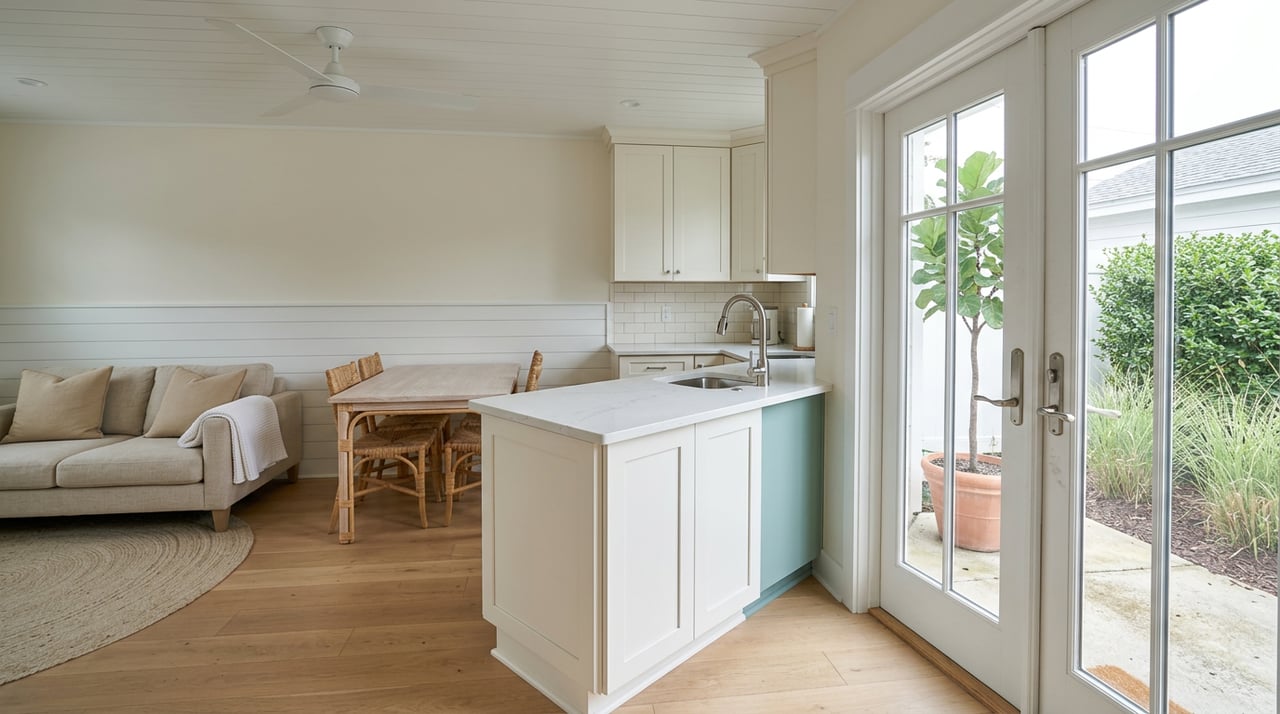
- Coastal premiums: bay or water views, quick beach access points, outdoor shower, decks or screened porches, and secure storage for beach and boating gear.
- Demand expanders: pet-friendly policies with clear cleaning and deposit rules, a pack-n-play, and multiple sleeping options.
Use filtered platform searches to confirm which features command price premiums for your bedroom count. Then target 2 to 3 differentiators you can deliver consistently.
Coastal readiness and maintenance
Salt air, wind, and sand add wear and tear. Budget for frequent exterior cleaning, periodic deck and balcony checks, and HVAC service. The city’s permit process underscores structural safety, so keep documentation current and plan for inspections detailed in the STR permit instructions.
Also confirm flood zone and mitigation needs early. Pull parcel-level flood maps, review elevation requirements, and speak with your insurance adviser about flood and wind deductibles. Start with the city’s floodplain management guidance.
Management and operations
Virginia Beach requires a local responsible party who can respond quickly. If you live out of area or prefer hands-off operations, consider a local manager with proven rapid-response capability. Include management fees, cleaning and linen turnover, maintenance, restocking, insurance, platform commissions, and taxes in your gross-to-net model.
For monthly rentals, management tends to be lighter but still requires responsive maintenance and clear communication. Align your lease structure with the Virginia Residential Landlord and Tenant Act, and budget for standard make-ready between tenants.
Taxes and reporting
For short stays, the city collects lodging tax and the state collects sales tax. As a practical modeling approach for areas outside Sandbridge, use total gross rental multiplied by 15 percent plus a flat 2 dollars per night as outlined in the city’s transient tax example. Hosts are responsible for monthly reporting and remittance, even if a platform collects some taxes on your behalf. Confirm your registration and filing requirements with the Commissioner of the Revenue’s office.
If you plan any personal use of the property, review the IRS rules for dwelling units used as a home. The 14-day or 10 percent personal-use test in IRS Publication 527 can affect deductions and loss treatment. Read the summary in IRS Publication 527 and discuss it with your tax adviser.
Due diligence before you buy or list
A methodical checklist reduces surprises and helps you move quickly when the right property appears.
- Confirm zoning and permit path with the city’s STR team; get conditions and fees in writing from the Planning Department.
- Verify whether the address has any grandfathered STR status and whether changes could affect it.
- Model taxes using the city’s current formula; confirm who collects and who remits for your chosen platform.
- Pull parcel flood data and review insurance options for flood and wind coverage; check any HOA or deed restrictions that affect rentals or access.
- Price-check ADR and occupancy by sampling truly comparable listings for high, shoulder, and low seasons on Airbnb’s Chic’s Beach page.
- Consult a CPA or tax adviser on short stays, monthly leases, and personal-use planning using IRS Publication 527.
A simple launch timeline
60 to 90 days out
- Confirm permit path, parking count, and insurance. Order any safety upgrades and schedule inspection windows.
- Build your pricing matrix for high, shoulder, and low seasons using platform comps and local event dates.
30 to 60 days out
- Install or refresh core amenities: Wi-Fi, linens, kitchen kit, outdoor shower, storage for gear. Photograph the property.
- Draft house rules, parking maps, and a guest guidebook that highlights beach access points and Shore Drive attractions.
0 to 30 days out
- Open calendars with strategic minimum stays for peak weeks. Set weekday/weekend rate differentials and last-minute discounts.
- Test your rapid-response plan and confirm cleaning turnover capacity for back-to-back bookings.
When you balance permits, pricing, and a guest-ready product, Chic’s Beach can be a rewarding, lifestyle-friendly investment. If you want a seasoned local partner to help you evaluate options, model returns, and uncover the right property, reach out to The Crespo Group. We bring decades of Virginia Beach experience to every coastal decision you make.
FAQs
What taxes apply to short-term rentals in Virginia Beach outside Sandbridge?
- The city’s practical model is total gross rental multiplied by 15 percent (9 percent city lodging plus 6 percent state sales tax) plus 2 dollars per night, based on recent city guidance.
Do you need a permit for a whole-home STR near Chic’s Beach?
- Whole-home STRs generally require a zoning permit and annual registration with the Commissioner of the Revenue; verify your use type and steps on the city’s STR pages.
How does seasonality affect Airbnb pricing in Chic’s Beach?
- Average daily rates typically rise from spring into peak summer months (June through August), then taper in the fall, so align ADR and minimum stays with this pattern.
Which amenities boost occupancy for Chic’s Beach rentals?
- High-speed Wi-Fi, private parking, quick beach access, outdoor shower, decks or porches, storage for beach gear, and family-friendly touches like a pack-n-play tend to help.
Is a longer-term lease simpler than a vacation rental in Virginia Beach?
- Often yes, since it can reduce turnover and operational intensity, but you must follow the Virginia Residential Landlord and Tenant Act and manage standard landlord obligations.
What is a home-share and how is it different from an STR?
- A home-share is owner-occupied hosting of rooms or shared spaces, while a short-term rental is typically a whole-home stay under 30 days and follows a more involved permit path.