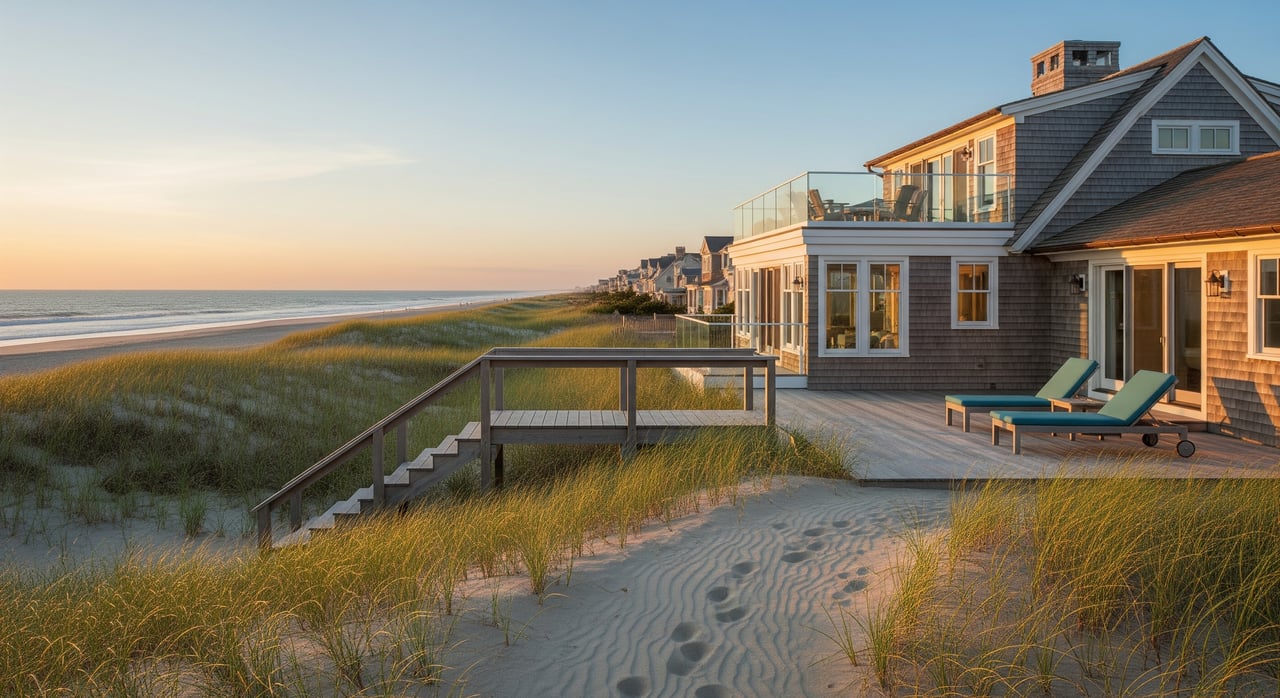
Trying to choose between Croatan Beach and the North End in Virginia Beach? On the surface, these oceanfront neighbors look similar, but a few blocks can change your daily rhythm, your beach access, and even your build or rental plans. You want a home that fits how you live today and how you plan to use it in the years ahead. In this guide, you’ll compare the lifestyle, lots, ownership details, and a smart tour plan to help you feel confident. Let’s dive in.
Location and lifestyle overview
Both Croatan Beach and the broader North End sit along Virginia Beach’s oceanfront corridor and share easy access to sand, surf, and coastal amenities. Croatan sits close to Rudee Inlet and its marinas, which draws boaters and fishing enthusiasts. The North End stretches across multiple pockets with a mix of oceanfront, bayfront, and near-beach blocks.
What makes this choice interesting is how small shifts on the map change your experience. One or two blocks can affect your views, the type of beach access, and your exposure to seasonal noise and traffic. If you want to walk to marinas and waterfront dining, certain streets near the inlet will stand out. If you want quieter residential energy, other North End pockets may feel better.
Beach access and daily feel
Croatan Beach
Croatan appeals if you want quiet residential beach living with boating and charter activity close by. You will find public beach access points, and some homes may include private walkovers or deeded easements. Expect more boat and marina-related movement near Rudee Inlet, especially on sunny weekends and during fishing seasons. That added energy is part of the charm for buyers who value the inlet lifestyle.
The North End
The North End is varied and block specific. Some stretches feel calm and residential, with a relaxed, low-key rhythm. Other blocks closer to the resort area and boardwalk can feel more active in peak season. Like Croatan, beach access is a mix of public points and, in some cases, private or shared paths tied to a property’s deeds. Always verify the exact access for any home you tour.
Lots, architecture, and rebuild potential
Lot sizes vary widely in both areas. Many oceanfront parcels are narrow, and some bay-facing lots are shallow, so usable backyard space can be limited. Over the past decade, there has been significant tear-down and rebuild activity as older cottages make way for larger custom homes designed for views and modern living.
Architecturally, you will see everything from charming mid-century cottages to multi-story contemporary builds. Some blocks include condominiums or small planned developments, though Croatan remains largely single-family. If you are thinking about a rebuild or major addition, plan for coastal rules and approvals. Setbacks, dune protection, height limits, and flood-elevation requirements can shape what is possible. New builds and substantial remodels near the ocean usually need to meet current elevation codes, which affects design and cost.
A smart step is to request plat maps and prior surveys early in your process. During due diligence, confirm zoning, historical setbacks, and any easements that may affect what you can build. If a lot is your canvas, make sure it can support your vision before you fall in love with the view.
Ownership, HOA, and rental factors
Ownership types span fee-simple single-family homes, small HOAs, and condominium communities. You will see more fee-simple homes and light-touch governance in many North End pockets and in Croatan, with condos and tighter rules closer to the resort area. When an HOA or condo association is present, expect rules on exterior standards, common walkovers, and maintenance responsibilities.
If you plan to rent short term, understand the local framework. Virginia Beach regulates vacation rentals, including registration and occupancy rules. Associations may add their own restrictions or approvals. Always request a property’s rental history if income is part of your plan and verify whether the address has been registered for short-term use in the past.
Coastal ownership also brings unique operating costs. Budget for higher insurance, including wind and flood coverage, and increased maintenance from salt exposure and storms. If you intend to rent, factor in management fees, frequent cleanings, and seasonal income swings.
Dining, marinas, and getting around
Rudee Inlet is a key lifestyle anchor for this decision. If you want quick access to fishing charters, jet-ski operators, and boating services, Croatan’s proximity to the inlet is a major plus. Marina slip availability can change seasonally, and some private marinas have waitlists, so it is wise to verify options early.
For restaurants and nightlife, expect a cluster near the inlet and additional choices along the resort corridor. Some homes are within easy walking distance to waterfront dining, while quieter North End blocks may require a short drive for a broader selection. If commute time matters, map drive times to your regular stops, including grocery stores, hospitals, workplaces, and major employers.
Comparison at a glance
| Factor | Croatan Beach | The North End |
|---|---|---|
| Beach access and feel | Quiet residential with inlet activity and charter traffic nearby. Mix of public access and some private or deeded paths. | Varies by block. Quieter residential stretches and some areas closer to boardwalk activity in high season. Public access points with some private/shared paths. |
| Proximity to marinas | Very close to Rudee Inlet marinas and charters. | Access varies by address. Some pockets are a short walk or drive to inlet amenities. |
| Lot sizes and architecture | Mostly single-family; mix of older cottages and newer custom builds. Narrow oceanfront parcels common. | Mix of single-family homes, some condos and planned developments. Tear-down and rebuild trend across many blocks. |
| Redevelopment considerations | Coastal setbacks, dune protection, height limits, and elevation codes apply. | Same coastal rules apply, with block-by-block differences in zoning and setbacks. |
| Ownership and HOA | Mostly fee-simple; some small HOAs with focused rules. | Mix of fee-simple, small HOAs, and condos with formal associations. |
| Short-term rentals | Regulated by the city; verify registration and any HOA restrictions. | Regulated by the city; verify registration and any HOA or condo rules. |
| Insurance and maintenance | Elevated wind and flood insurance costs; salt and storm exposure drive upkeep. | Similar coastal exposure and costs depending on proximity to the ocean or bay. |
| Seasonal crowding and noise | Inlet activity can add boat and marina sounds during peak times. | Varies. Blocks near resort and boardwalk feel busier in high season; quieter deeper residential pockets. |
| Best fit | Boating and inlet lifestyle with quiet residential streets. | Flexible options by block, including closer access to boardwalk dining or quieter residential living. |
How to decide: a smarter tour plan
You can narrow your choices quickly by aligning your use and lifestyle priorities with the right blocks. Start with clarity around how you will use the home and what daily rhythm you want.
- Primary use: full-time residence, second home, or rental strategy.
- Desired feel: quiet residential, marina and boating lifestyle, or proximity to resort dining and activity.
- View and access: direct oceanfront, partial ocean view, bay view, inlet view, or easy walk to the beach.
- Budget reality: price plus insurance, maintenance, and any HOA or condo fees.
A single-day field plan
- Morning: Tour 2 to 3 quieter single-family options. Note morning light, surf conditions, and on-street parking.
- Midday: Visit homes near Rudee Inlet to observe boat traffic and crowd patterns. Stop for lunch to test walking convenience to dining and marinas.
- Evening: Revisit your top pick to assess night noise, lighting, and neighborhood activity.
What to collect before tours
- Property survey and any available elevation certificate to understand build elevation and potential insurance impact.
- HOA or condo documents, meeting minutes, and assessment history if an association is present.
- Any rental registration records and prior rental logs if income matters to you.
- Seller disclosures and any records of shoreline, dune, or bulkhead work.
What to look for on site
- Dune and backshore condition, beach walkover integrity, and proximity of public access paths.
- Foundation height relative to current codes, signs of prior storm repairs, and evidence of moisture or drainage issues.
- Bulkhead or seawall condition on applicable lots.
- Driveway layout, guest parking, and practical beach gear access.
Red flags to investigate
A careful eye now can save surprises later. Ask direct questions and verify with records.
- Missing elevation certificate or undocumented structural repairs after a storm.
- Unclear or informal easements that allow others to cross your lot for beach access.
- HOA or condo minutes indicating recurring special assessments or litigation.
- Chronic drainage, moisture, or mold issues in older or improperly elevated homes.
- Uncertain marina slip options if a boat is central to your plans.
What it takes to rebuild or remodel
If you are considering a tear-down or major remodel, factor in coastal approvals and timelines. Height, setback, and dune protection rules can shape massing and view corridors. Elevation requirements may change structural design and access points. Build costs can also reflect specialized materials that hold up to salt and wind.
Before you bid, have your agent pull zoning details, historical permits, and any past elevation data. Confirm whether the lot can support your target footprint and outdoor living spaces. With the right due diligence, a rebuild can be a strategic way to capture views and modern function.
Short-term rental and ownership clarity
If rental income is part of your plan, verify the current city registration rules and any block or association-level limits. Registration, occupancy, noise, and parking rules can change, and enforcement matters. In a condo or planned community, request written policies on leasing, guest stays, and any minimum-night rules.
For any property with rental history, ask for past performance data. Pair those records with a current insurance quote, cleaning and turnover estimates, and realistic seasonal occupancy assumptions. A conservative pro forma will help you right-size your offer and avoid surprises.
Your next step
Choosing between Croatan Beach and the North End is about fit, not just price per foot. If you want inlet energy and boating access, Croatan often rises to the top. If you prefer block-by-block options that range from quiet residential to closer resort access, the North End offers flexibility. Either way, your best move is a guided tour plan paired with clear due diligence.
If you are ready to refine your short list, schedule a strategy session to review off-market opportunities, rental performance data, elevation and insurance details, and a tailored tour plan. Connect with The Crespo Group to get started, or Request Your Complimentary Home Valuation if you are considering a sale.
FAQs
What is the main difference between Croatan Beach and the North End?
- Croatan is close to Rudee Inlet and appeals to boating and charter lifestyles, while the North End varies by block and ranges from quiet residential pockets to areas near resort activity.
How does beach access typically work in these neighborhoods?
- Both areas have public access points, and some homes include private walkovers or deeded easements, so always confirm the exact access tied to a specific property.
What should I know about short-term rentals near the oceanfront?
- Virginia Beach regulates vacation rentals and some HOAs or condos add restrictions, so verify city registration rules, association policies, and any existing rental history before you buy.
How do flood zones and elevation affect costs?
- Properties near the ocean often require wind and flood insurance; elevation certificates can inform premiums, and new builds or major remodels typically must meet current elevation codes.
What is a smart way to tour Croatan and the North End?
- Tour at different times of day, collect surveys and elevation data before visits, verify HOA or rental rules in advance, and observe beach access, noise, parking, and inlet or boardwalk activity firsthand.