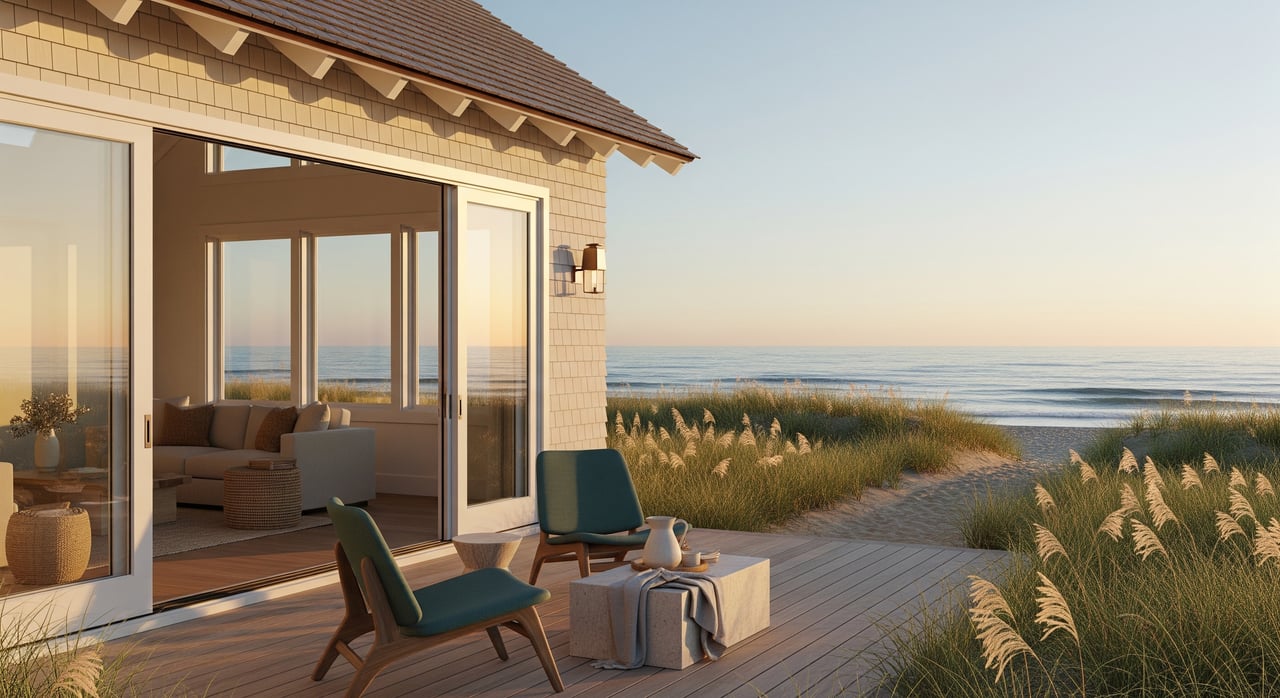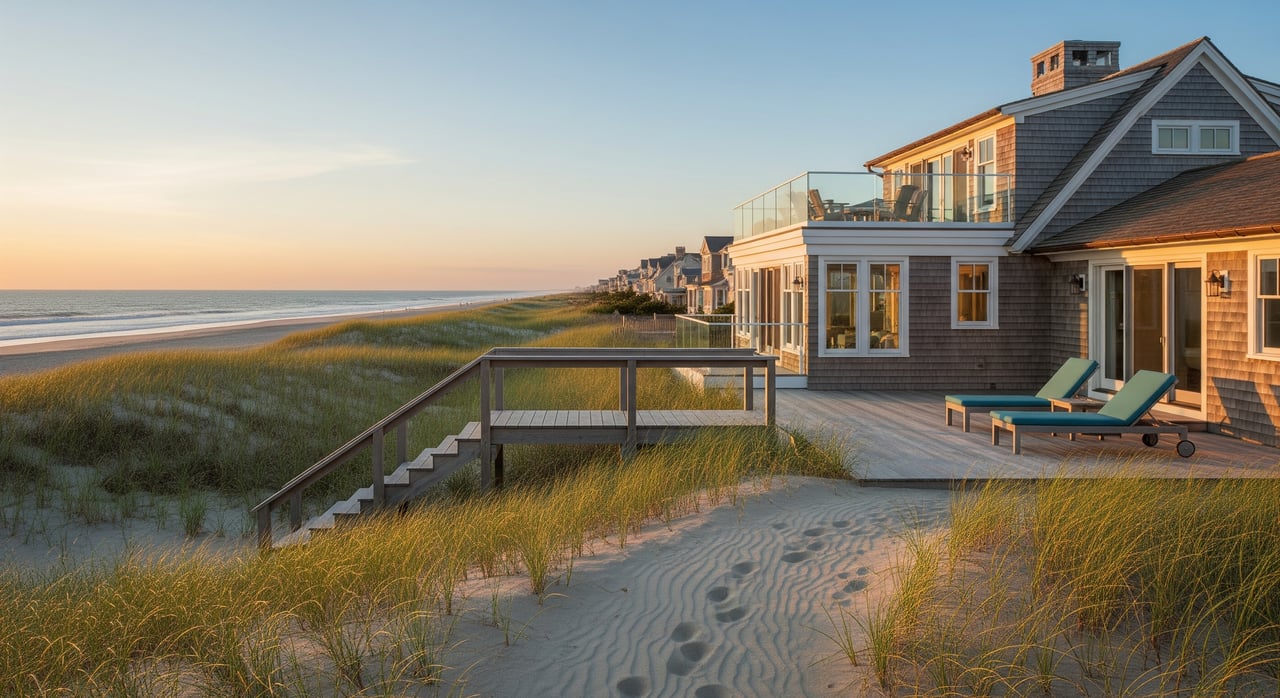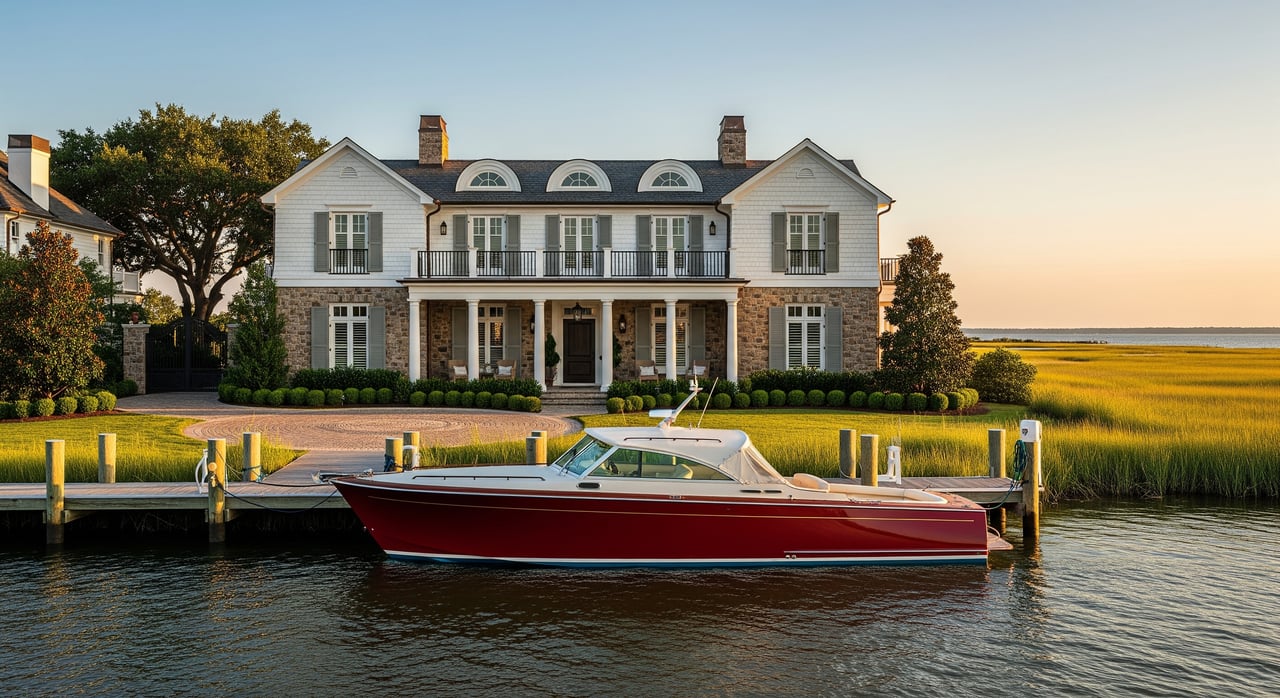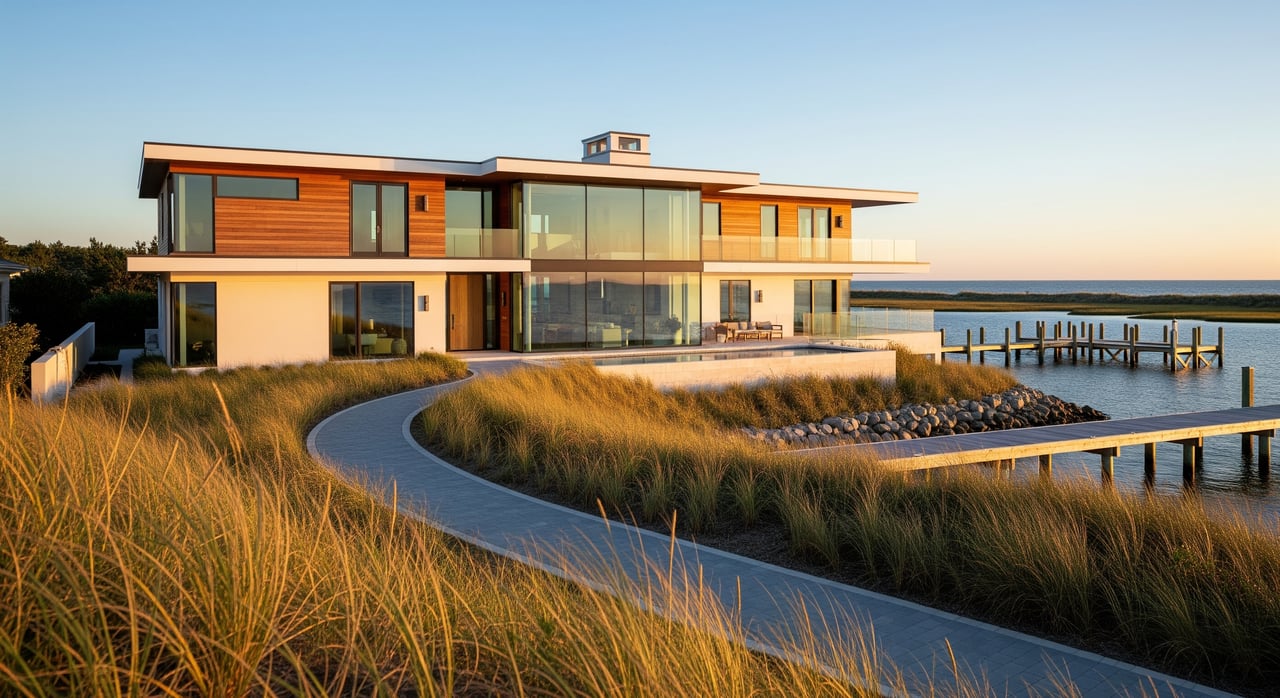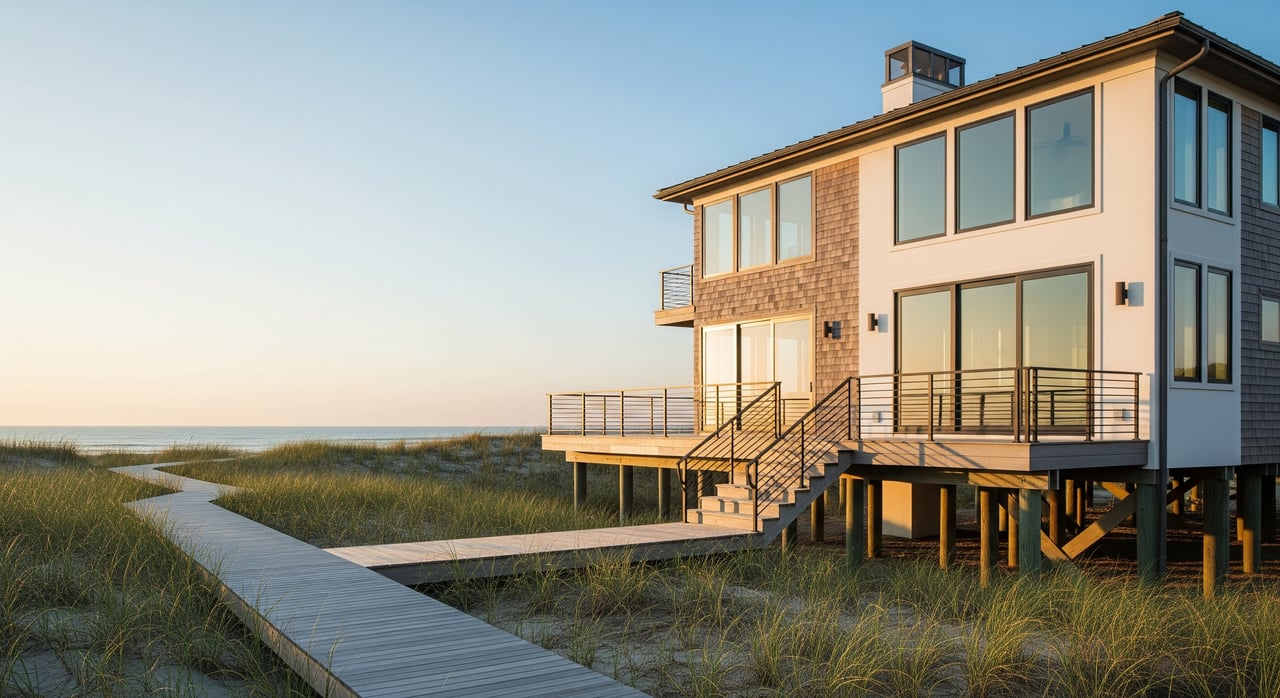
Salt air, big skies, and wraparound porches define Ocean Park’s look and feel. If you are drawn to this corner of Northwest Virginia Beach, you have likely noticed how architecture here balances style with coastal durability. In this guide, you will learn the key home styles in Ocean Park, the materials that stand up to a marine climate, what buyers value today, and simple updates that help your home show at its best. Let’s dive in.
Ocean Park’s coastal context
Homes in Ocean Park live with a humid, salt-rich environment and seasonal storm risk. Wind, storm surge, and salt spray shape design choices more than they do inland. That is why you see elevated structures, corrosion-resistant finishes, and outdoor spaces that welcome breezes while keeping water out.
Flood zones and wind exposure also influence insurance and permitting. FEMA Flood Insurance Rate Maps identify areas such as AE and VE zones that can require higher elevations, flood vents, or breakaway walls. Before you buy or list, plan to review the property’s flood zone, request an Elevation Certificate if available, and speak with the Virginia Beach building department, a local insurance agent, and a licensed coastal contractor.
Three styles you will see
Coastal cottage
Coastal cottages deliver classic beach-house charm. You will recognize gabled or cross-gabled roofs, shingle or clapboard siding, and welcoming front or wraparound porches. Scale runs modest to medium, often with simple footprints that are easy to live in and maintain.
Materials lean traditional but can be highly durable when specified correctly. Many owners choose cedar shingles or fiber-cement siding with painted pastel or neutral palettes. Inside, open living areas flow to porches and decks. Elevated floor levels are common on flood-prone lots, so porches may sit above the ground level.
Why buyers love it: a timeless coastal look, warm curb appeal, and approachable maintenance when materials are up to coastal standards.
Elevated contemporary
Elevated contemporary homes lift the main living spaces above parking or storage to manage flood risk and capture views. You will see taller massing on pilings or columns, broad decks, large glass openings, and clean, modern lines. Metal or low-slope roofs pair with expansive glazing to maximize light.
Cladding often blends fiber-cement panels, engineered wood rated for coastal exposure, and metal accents. Parking and storage under the house are designed for water to pass through where required, with flood-resistant materials at lower levels. Many buyers prize the panoramic feel and indoor-outdoor living on large terraces.
Why buyers love it: abundant natural light, modern aesthetics, and thoughtfully elevated living areas.
Modern craftsman
Modern craftsman homes mix classic detail with coastal-ready systems. Look for gable roofs with wide eaves, tapered porch columns, exposed brackets, and mixed materials such as shingles paired with board-and-batten or clapboard. Trim and millwork add tactile quality inside and out.
Interiors may feature built-ins and hearth-focused living areas, finished with moisture-resistant paints and durable floors. The style reads warm and tailored, while still meeting the demands of a marine climate.
Why buyers love it: perceived craftsmanship, layered detail, and a comfortable, high-quality feel.
Quick visual markers
- Roofline: gabled for cottages and craftsman, low-slope or metal accents for contemporary.
- Porches and decks: prominent in all three, often elevated in contemporary and cottage homes.
- Elevation: visible pilings or open under-house areas signal flood-aware design.
- Materials: shingles, clapboard, or board-and-batten; fiber-cement and metal accents are common.
- Windows: divided-light and traditional scale for cottages and craftsman; larger glass walls for contemporary.
Coastal-grade materials that last
Siding and exterior cladding
Fiber-cement siding and shingles are a top choice in Ocean Park. They resist rot, insects, and salt exposure when properly flashed and finished. Engineered wood products rated for coastal use can perform well with the manufacturer’s recommended coatings.
Cedar shingles and clapboard bring classic texture but need consistent staining or painting and regular inspection. Metal panels can work if specified with marine-grade coatings and careful detailing to avoid contact with dissimilar metals.
Roofing that resists wind and salt
Metal standing-seam and coated metal roofs offer strong wind performance and long life, especially with corrosion-resistant alloys and fasteners. Architectural asphalt shingles remain common, but choose high-wind-rated products and precise fastening patterns. Pay special attention to roof-to-wall transitions, ridges, and penetrations with compatible flashing.
Fasteners, flashings, and connectors
Hardware is where salt air does its quiet work. Use stainless steel fasteners and connectors, ideally 316 grade in marine zones, or hot-dip galvanized hardware rated for coastal exposure. Avoid mixing dissimilar metals, and isolate components to prevent galvanic corrosion. Properly sealed joints and through-fastening extend service life.
Windows and doors
Impact-rated windows and doors are widely recommended along the coast. They help defend against wind-borne debris and can support insurance options. Frames in fiberglass, vinyl, or coated aluminum resist decay when detailed correctly. Flashing at the head and sill is critical to prevent water intrusion, and coastal coatings on hardware protect against corrosion.
Decking, railings, and exterior wood
Capped composite and PVC decking provide low-maintenance performance and resist rot and salt. If you prefer natural wood, tropical hardwoods like ipe stand up well but require regular care. For railings, aluminum or stainless steel with powder-coated finishes perform best when maintained and cleaned of salt buildup.
Foundations and flood-resilient details
Elevated homes on pilings or columns are common in Ocean Park. Under-house areas often serve as parking or storage and should be finished with flood-resistant materials below the design flood elevation. In some zones, flood vents and breakaway walls are required to allow water to pass through and relieve pressure during storms.
Moisture control and mechanical systems
A continuous air barrier and smart ventilation reduce mold risk in a humid climate. Mechanical ventilation such as ERVs or HRVs and whole-home dehumidification improve indoor air quality. Closed-cell spray foam can help manage moisture in certain assemblies when used according to code. Place HVAC and other mechanicals above the base flood elevation where possible, and protect outdoor equipment with corrosion-resistant housings.
What today’s Ocean Park buyers value
- Low-maintenance exteriors that reduce repainting and repairs over time.
- Outdoor living: generous decks, screened porches, and balconies that extend living space.
- Elevated main floors with practical under-house parking or storage.
- Natural light and view lines through larger windows and open plans.
- Durable interior finishes such as waterproof-core engineered wood or luxury vinyl plank.
- Protection features like impact-rated windows and documented elevation that support confidence and insurance options.
Smart cosmetic updates for sellers
- Apply fresh exterior paint or stain with high-quality coatings suited to coastal exposure.
- Replace corroded hardware with stainless or marine-grade finishes, including door sets, house numbers, and exterior lighting.
- Upgrade deck boards to capped composite or renew hardwood with marine-grade fasteners.
- Refresh landscaping with salt-tolerant plants and tidy hardscape; keep gutters clear and walkways sand-free.
- Swap dated fixtures for corrosion-resistant styles and add subtle pathway lighting for evening curb appeal.
- Stage outdoor spaces with comfortable furniture, neutral textiles, potted plants, and shade elements.
- Inside, refinish or replace high-wear floors with water-resistant options, apply fresh neutral paint, and update cabinet hardware and lighting.
- Create a simple beach-gear zone at the entry or mudroom to show everyday functionality.
- Gather documentation for recent exterior work, window and door replacements, and any Elevation Certificate or maintenance records. Buyers value proof.
Buyer checklist for due diligence
Verify the property’s FEMA flood zone and request an Elevation Certificate if available.
Get insurance quotes early to understand premiums and coverage options.
Inspect roof age and flashing, window and door ratings, and signs of corrosion at fasteners and railings.
Review the foundation or pilings and under-house areas for flood-resilient materials and proper vents where required.
Ask about the feasibility, cost, and permitting for potential upgrades like impact glazing, roof replacement, or deck work.
Seller preparation checklist
- Update or obtain an Elevation Certificate if appropriate for your location.
- Have a licensed inspector assess roof condition, flashing details, and visible corrosion hot spots.
- Confirm HVAC and mechanicals are elevated or flood-protected and note any recent service.
- Replace failed or stained fasteners and fixtures with stainless or hot-dip galvanized parts and keep receipts.
- Consider targeted upgrades that increase buyer confidence, such as impact-rated windows or refreshed decking, based on property and market position.
Common pitfalls to avoid
- Underestimating how quickly salt air degrades standard hardware and finishes.
- Skipping ventilation and moisture management in enclosed spaces under elevated homes.
- Assuming insurance costs are the same across properties; elevation and flood zone matter.
- Choosing non-coastal-rated materials that may fail early and hurt long-term value.
Tailor your decision with a local advisor
Every Ocean Park lot, elevation, and orientation is different. A seasoned local perspective helps you balance style, durability, and resale value. Whether you are refining a listing plan or comparing homes by materials and elevation, you deserve guidance that is both practical and design-aware.
If you are planning a purchase or preparing to sell in Ocean Park, connect with The Crespo Group for a focused, coastal strategy and premium marketing. Request Your Complimentary Home Valuation to take the next step with confidence.
FAQs
What is the difference between a coastal cottage and an elevated contemporary home in Ocean Park?
- Cottages feature gabled roofs, traditional siding, and classic porches, while elevated contemporaries lift living areas on pilings with larger glass, clean lines, and broad decks.
How high should a house be elevated in Ocean Park?
- There is no universal height; confirm flood zone, base flood elevation, and local code, then review the property’s Elevation Certificate and consult the building department and a licensed coastal contractor.
Are impact-rated windows required in Ocean Park or just recommended?
- Requirements vary by wind exposure and local code; many coastal buyers expect impact protection, and insurers often favor it, so confirm with the building department and your insurance agent.
Which siding and decking materials hold up best to salt air near the bay?
- Fiber-cement siding and capped composite or PVC decking are widely chosen for coastal durability, with stainless hardware and proper flashing to prevent corrosion.
How does salt air affect metal components on Virginia Beach homes?
- Salt accelerates corrosion, so choose 316 stainless or hot-dip galvanized hardware, avoid mixing dissimilar metals, and rinse and inspect exteriors regularly.
What cosmetic improvements give sellers the best return in Ocean Park?
- Fresh coastal-grade paint, stainless or marine-grade hardware, deck and railing upgrades, modern exterior lighting, and staged outdoor living areas create high-impact curb appeal.
How does flood insurance affect buyer interest and resale?
- Documentation of elevation and resilient features can improve buyer confidence and insurance options, so verify flood zone status, gather your Elevation Certificate, and share recent upgrades.