Wondering when to list your Bay Colony home for the strongest results? In a coastal neighborhood shaped by tourism, second‑home interest, and steady local moves, timing can make a real difference. You want strong exposure, solid offers, and a smooth sale without guesswork. This guide walks you through the best listing windows, how local seasonality affects demand, the key metrics to watch, and a step‑by‑step prep timeline to launch with confidence. Let’s dive in.
Why timing matters in Bay Colony
Bay Colony sits within Virginia Beach’s coastal corridor, where buyer demand comes from multiple groups: local primary buyers, retirees, second‑home shoppers, and investors. That mix creates a different rhythm than inland suburbs. Visitor flows in late spring and summer bring more out‑of‑market buyers who can tour in person, while local employment and military relocation help maintain year‑round activity. Inventory, interest rates, and competing coastal listings also shape how quickly and at what price your home may sell.
Seasonal patterns in Virginia Beach
Virginia Beach’s peak visitor season runs from late spring through summer. This period increases the pool of potential second‑home buyers who are in town and ready to tour. Late spring and early fall act as strong shoulder seasons, offering active buyers with generally less competition than mid‑summer. Late fall and winter see fewer tourists, so activity shifts toward local and relocation buyers who may be more price‑sensitive.
Here is how that plays into strategy:
- Late spring and early summer can bring higher foot traffic and broader marketing reach, especially among vacationers. The tradeoff is that more sellers often list then too, which adds competition.
- Mid‑summer offers peak visitation, but schedules get busy and open houses can be harder to coordinate around vacations.
- Shoulder months like April, May, and September often see serious buyers with fewer competing listings.
- Late fall and winter generally bring less competition, but there are fewer out‑of‑town second‑home buyers touring.
Best listing windows for Bay Colony sellers
Late spring (April to early June)
This is the primary recommendation for most sellers. You benefit from the transition into peak season, when second‑home shoppers arrive for spring breaks and early vacations. You get broad exposure with manageable competition and favorable weather for showings. Prepare early, price strategically at launch, and invest in standout visuals to reach remote and in‑person buyers.
Early fall (September to early October)
Early fall brings buyers back after summer travel, while new listing volume typically eases. The weather remains pleasant, and the buyer pool often skews serious and transaction‑ready. This window works well if spring preparations ran long or if you prefer a calmer pace with fewer competing homes.
Late fall to winter (November to February)
If you need to move quickly or want less competition, the off‑season can help your listing stand out. Motivated local and relocation buyers are still active, though you should expect fewer showings and potentially longer days on market. High‑quality photography and a polished virtual tour matter even more in this period.
Summer (mid‑June to August)
Summer can work due to peak visitation and walk‑in second‑home interest. The challenge is increased competition from other coastal listings and complicated showing schedules. If you list in summer, emphasize weekend open houses, schedule around holiday weekends, and price to stand out among seasonal inventory.
Choose based on your goals
- Want maximum exposure and the best balance of activity and competition? Aim for late spring.
- Prefer fewer competing listings and serious buyers? Target early fall.
- Need to move sooner or capitalize on thinner inventory? Consider late fall or winter.
- Already set on a summer launch? Focus your marketing on weekend and holiday visibility, strong visuals, and precise pricing.
The data to check before you pick a date
Ask your agent for a neighborhood snapshot covering the last 12 to 24 months. Key metrics to review monthly include:
- New listings and months of inventory to gauge competition.
- New pendings and pending ratio to measure buyer activity.
- Median days on market to see how quickly homes are moving.
- Median sale price and price per square foot for seasonal pricing patterns.
- Sold‑to‑list price ratio to understand negotiation leverage.
- Buyer geography if available, especially the share from out of county or out of state.
- Showings per listing and any split between new construction and resales.
How to interpret the trends:
- Look for months where pendings rise, days on market drop, and the sold‑to‑list ratio ticks up at the same time. That cluster signals a strong launch window.
- Compare year‑over‑year results for each month across the last 2 to 3 years to smooth out odd events or weather impacts.
- If more than 25 to 30 percent of recent buyers came from out of the area in a given month, that month likely aligns with second‑home demand.
Prep timeline tied to your target date
If you are aiming for a late spring launch, start 10 to 12 weeks ahead. Adjust the same steps if you are targeting early fall or the off‑season.
Weeks 10 to 12
- Consider a pre‑listing inspection, which is especially helpful for coastal properties.
- Gather permits, HOA documents, utility bills, and tax details.
- Review comparable sales for Bay Colony and nearby coastal areas with your agent.
Weeks 8 to 10
- Complete repairs such as roof flashings, HVAC service, plumbing fixes, and paint touchups.
- Declutter and begin light staging. Improve curb appeal where it counts.
- If you plan minor updates, schedule contractors now.
Weeks 6 to 8
- Deep clean and refresh landscaping with hardy coastal plants and fresh mulch.
- Finalize a staging plan with your agent or stager.
- Organize surveys, floor plans, and any property information for buyers.
Weeks 4 to 6
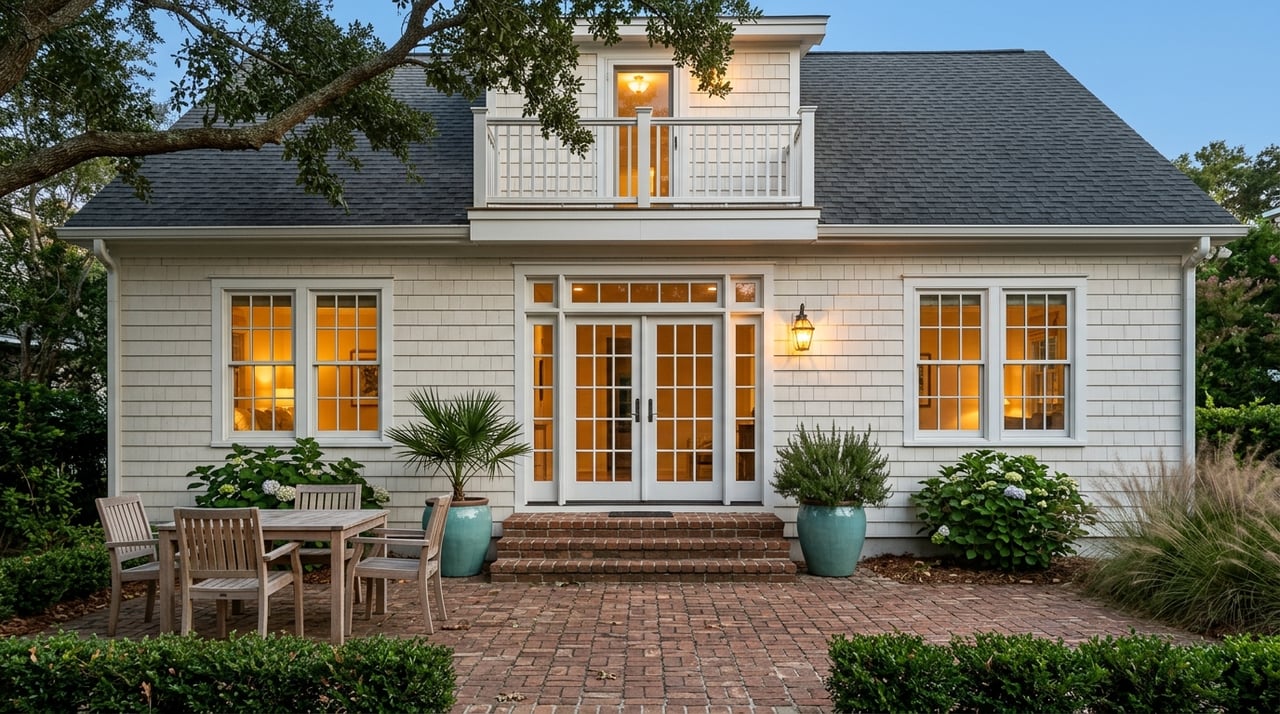
- Schedule professional photography, twilight photos, drone imagery if suitable, and a 3D or video tour.
- Draft the listing description and marketing plan, including outreach timed to visitor traffic.
Weeks 1 to 2
- Finish staging, touch up paint, and ensure exterior looks market‑ready.
- Set final list price with your agent based on current comps and market cadence.
- Line up a broker preview and pre‑market promotion, if desired.
Listing week
- Activate all online assets, 3D tours, and showing instructions.
- Time open houses for weekends and holiday periods when visitor traffic is highest.
- Stay flexible with evening and weekend showings.
If you are launching in the off‑season, keep the same structure but put extra emphasis on interior staging, warm lighting, and high‑impact visuals to engage remote buyers.
Pricing and marketing to match the season
Pricing strategy
- In late spring, a well‑presented, competitively priced listing can build strong early momentum. Your agent can advise on whether to price at market or slightly under to spark activity.
- In shoulder or off‑season periods, align price with a smaller buyer pool to avoid extended days on market and reductions.
Marketing by buyer type
- Second‑home and out‑of‑market buyers respond to premium photos, 3D tours, floor plans, and drone views. Make weekend open houses a priority.
- Local and relocation buyers value commute details and community amenities. Keep information clear and concise.
- Investor and short‑term rental buyers will assess occupancy patterns and regulations. Provide accurate facts and avoid unverified income claims.
Regulatory check
- Confirm short‑term rental rules, HOA covenants, and any city registration requirements before marketing rental potential. Regulations can shape pricing and the buyer pool.
What to do next
- Request a Bay Colony market snapshot with monthly metrics for the last 12 months.
- If you are targeting spring or summer, begin preparations 10 to 12 weeks in advance.
- Schedule a valuation consult so your agent can pull neighborhood sales cadence, buyer origin patterns, and projected pricing ranges for your ideal launch window.
- Verify any rental or HOA rules early if they are part of your buyer pitch.
Ready to pinpoint your best two to four‑week window and set up a polished launch plan? Connect with The Crespo Group to Request Your Complimentary Home Valuation and a neighborhood‑specific timing consult.
FAQs
What month is best to list a Bay Colony home?
- Late spring, from April to early June, is often the strongest window due to active buyers and growing visitor traffic, with early fall as a solid alternative.
Is summer a good time to sell in Virginia Beach?
- It can be, since buyer foot traffic is high, but you will likely face more competing listings, so pricing and weekend visibility become critical.
How far in advance should I prepare my Bay Colony home?
- Start 10 to 12 weeks before your target launch to complete repairs, staging, photography, and a marketing plan timed to visitor activity.
Do second‑home buyers affect Bay Colony listing timing?
- Yes, visitor season brings more out‑of‑market buyers who can tour in person, which supports late spring and early summer, and early fall as a strong shoulder.
What data should I ask my agent for before listing?
- Monthly new listings, pendings, median days on market, sale‑to‑list ratios, price trends, months of inventory, showings per listing, and buyer geography are key.